The story
The story
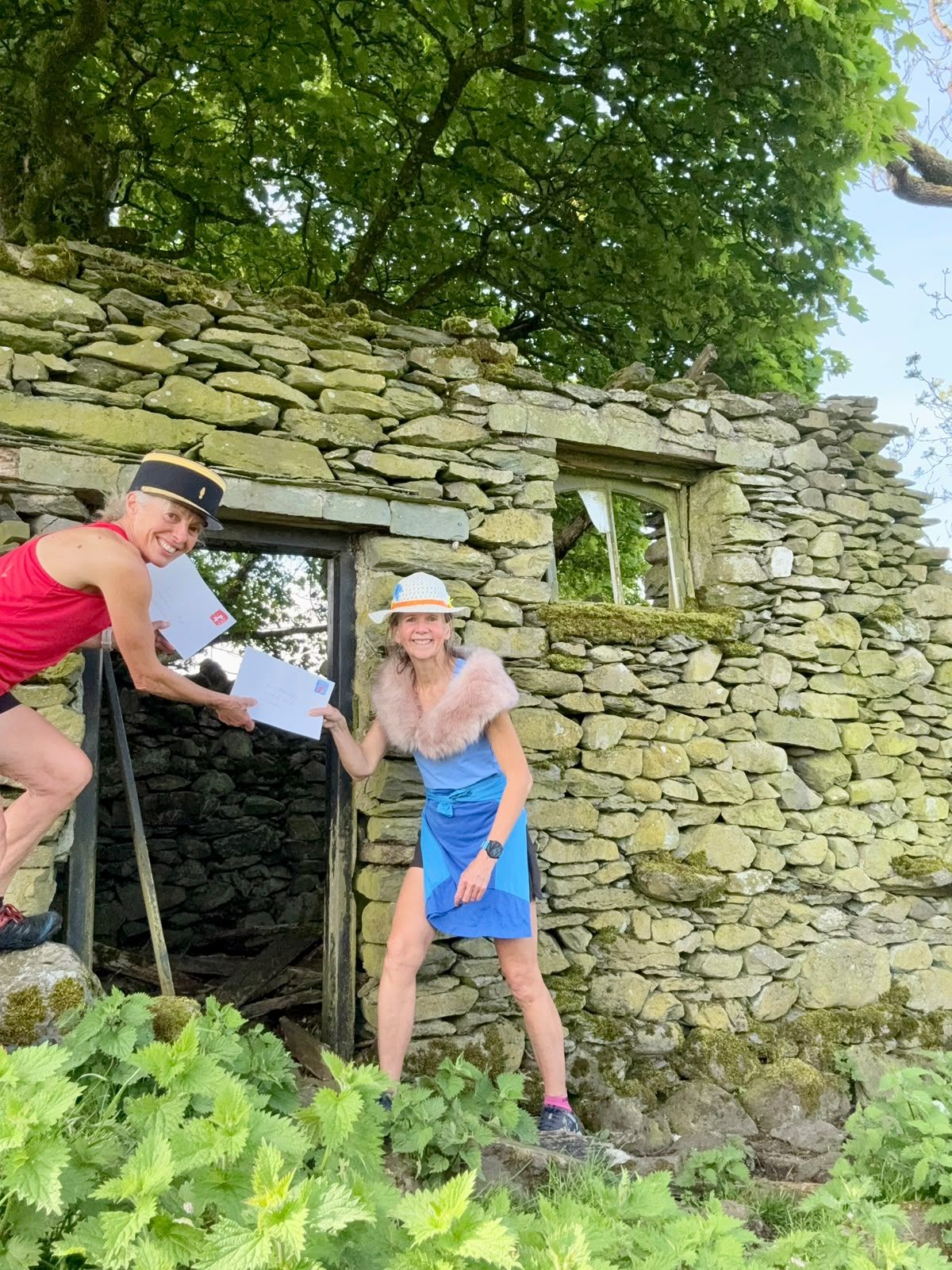
Until 1976, the post that reached the remote farms around Shap went on foot. This is the story of that round and the last man to walk it.
Chapter one
The last walking postman
Until 1976, the postman who served the remote farms and homes around Shap did his round on foot: a tough 15 miles in all weathers, six days a week, out past Shap Abbey and Tailbert into Swindale and home through Wet Sleddale. For six weeks of the year a shepherd lived at Mosedale Cottage, at the head of the valley, and any post for him meant an extra three miles up to the cottage. He carried a leather pouch to sell stamps and postal orders at the farms along the way. Today’s round always takes in Mosedale.
The last man to walk it was Stuart Lewis. Before him, in the 1950s, the round belonged to Jimmy Eland. When Stuart was told in June 1976 that he would be given a van, he was heartbroken. As he told the author Alan Cleaver:
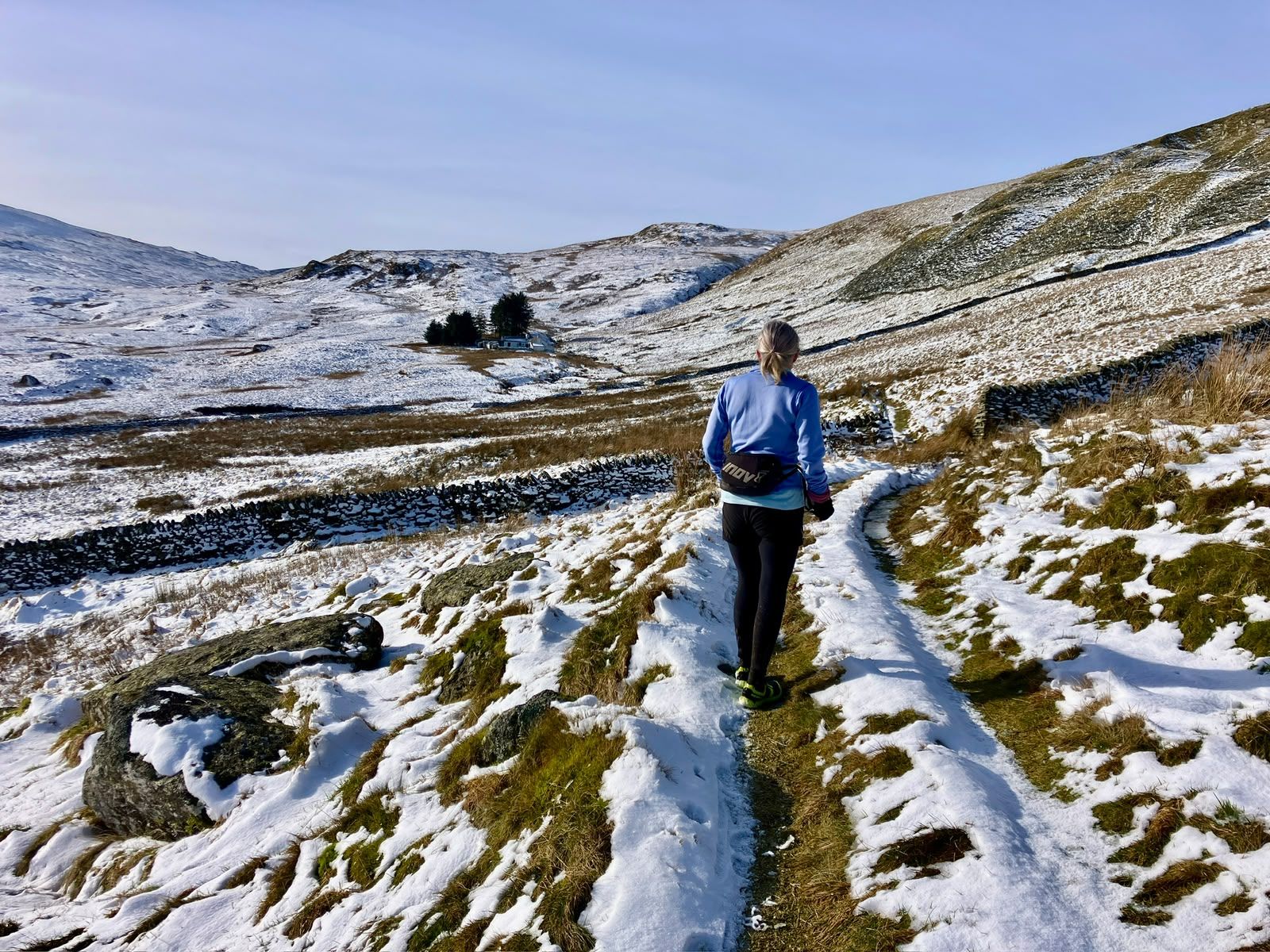
“It broke my heart. I loved the walk and went out in all weathers. There wasn’t a day when we didn’t complete the round even in mist, snow and ice.”
Down the years
The round through time
Victorian era
The penny post arrives. Across rural Britain, posties walk their rounds on foot.
1950s
Jimmy Eland walks the Shap round.
June 1976
Stuart Lewis is told he’ll be given a van. The walked round ends.
2025
Alan Cleaver tells the story in The Postal Paths.
Today
Shap’s fell runners keep the round on the go. Now it’s your turn.
Chapter two
Why the round starts at Birchwood Cafe
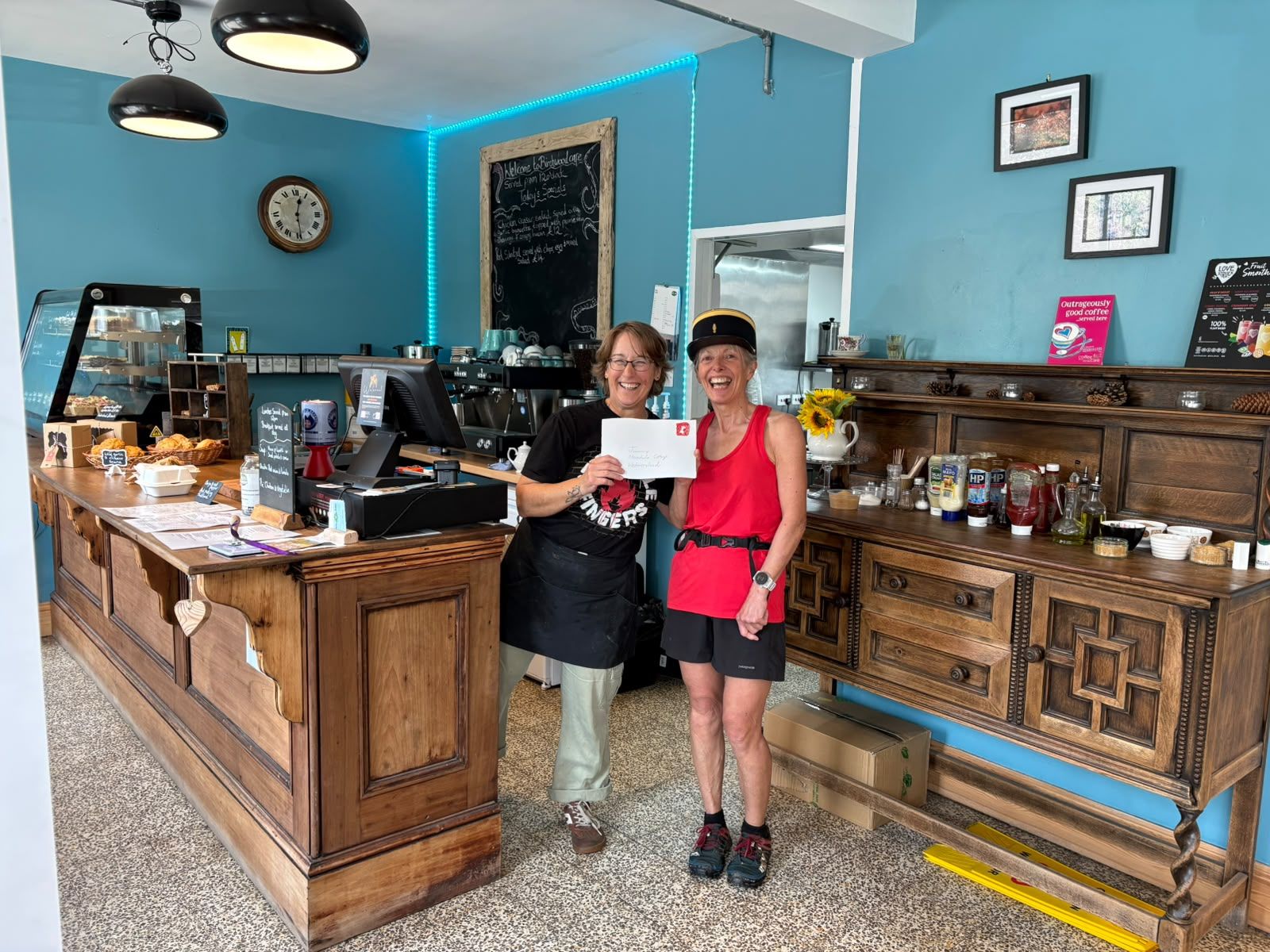
The round begins and ends at Birchwood Cafe, and that is no accident. The café is run by the family who ran Shap’s post office and sorting office for generations, sorting the post at six every morning. The café still keeps an original post office counter and postal memorabilia. The round starts here because this is where the post always began.
Chapter three
Keeping the round on the go
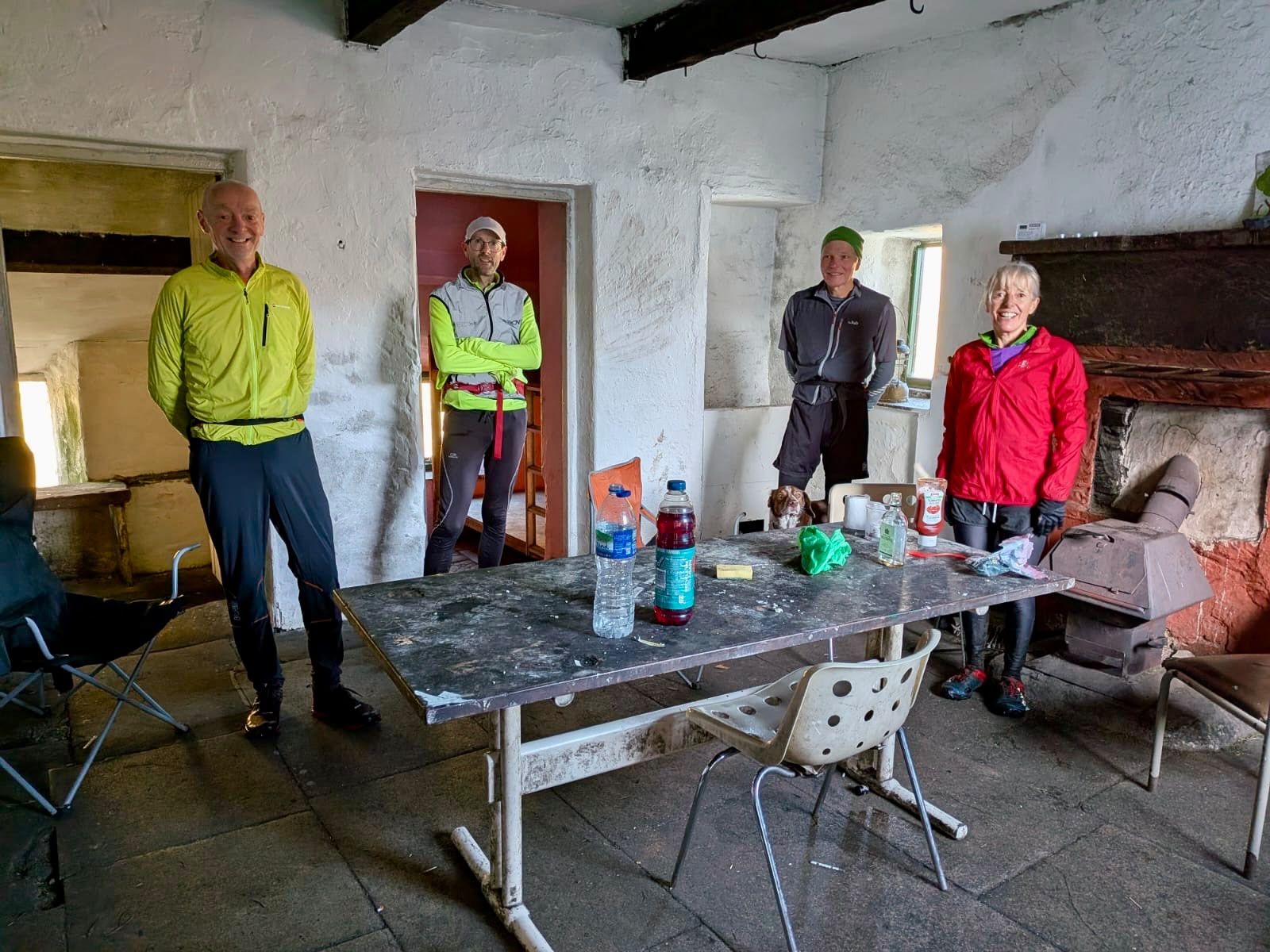
Today the round is a favourite of Shap’s fell runners. Jude, who has run it regularly since moving to the village, wrote it up for The Fellrunner so more people could explore these remote, rarely visited eastern fells and keep the historic round going. Her route guide is on the route page. In her words, it will leave you with nothing but respect for the village postie.
Read the book
The Postal Paths
Rediscovering Britain’s forgotten trails and the people who walked them
Buy the book (opens Amazon in a new tab)Chapter four
The Postal Paths
Stuart’s story is told in Alan Cleaver’s book The Postal Paths: Rediscovering Britain’s Forgotten Trails and the People Who Walked Them (Monoray, 2025).
Whitehaven author Alan Cleaver spent five years tracing the routes rural posties walked, from the Victorian penny post until vans took over in the 1960s and 1970s. His book follows those paths from the Outer Hebrides to the Cornish coast, and gathers the stories of the people who walked them.
These were long days. Rounds of 10 to 20 miles were common, walked six days a week in every weather, often by the same person for most of their working life. Where the road took too long, posties made their own shortcuts, and many are still marked on maps as postman’s paths.
Royal Mail phased out rural posties on foot in favour of vans in the 1960s and 70s, but the Shap round can still be followed today. Alan Cleaver plotted it with help from Stuart Lewis himself and Jean Scott-Smith.
Historical material drawn from Alan Cleaver’s The Postal Paths and used with kind permission.
Your turn
Follow in the postie’s footsteps
The round from Birchwood Cafe, in Jude’s words, stop by stop.